

🏠 Why the Best Air Quality Monitors & Smart Purifiers Matter Now More Than Ever

When it comes to protecting your health indoors, choosing the best air quality monitors and smart purifiers has never been more important.
Imagine breathing in something more dangerous than cigarette smoke — every single day — without even knowing it. That invisible threat is called PM2.5.
These ultra-fine particles are invisible; however, they slip silently into our homes, lungs, and lives. In other words, they pose a serious threat to our well-being, especially when left undetected.
According to the EPA, indoor air can be 5 times worse than outdoor air. Moreover, lung cancer is rising in non-smokers, especially among younger adults.
And if you’re working from home? You’re inhaling indoor air up to 90% of your day. Consequently, the air you breathe at home matters more than ever.
Smart air quality monitors and purifiers aren’t just gadgets — they’re modern-day shields for your lungs. Therefore, investing in the best air quality monitors and smart purifiers is no longer optional — it’s essential. So, let’s break down what PM2.5 is, who’s at risk, and the best air quality devices to fight it in 2025.
- Affiliate Disclosure:This post contains affiliate links. If you purchase through them, we may earn a small commission at no extra cost to you. Thank you for supporting our work toward healthier homes.
📊 What Is PM2.5 — And Why the Best Air Quality Monitors & Smart Purifiers Matter

PM2.5 stands for particulate matter smaller than 2.5 microns — so small, they bypass your body’s defenses and lodge deep into the lungs.
Common sources include:
- Car exhaust
- Cooking fumes and gas stoves
- Wildfire smoke
- Candle or incense burning
- Dust and construction debris
These particles can lead to serious health problems:
- Lung cancer
- Heart disease
- Stroke
- Asthma
- Premature aging of the brain and organs
You can’t see PM2.5. Still, it sees your lungs.
🧠 Who Needs the Best Air Quality Monitors & Smart Purifiers?
If you live and breathe, this guide is for you.
However, it’s especially important if you are:
✅ A non-smoker worried about invisible air threats
✅ A parent wanting clean air for your children
✅ Caring for elderly family members or those with heart issues
✅ A remote worker breathing the same indoor air all day
Additionally, anyone with allergies or respiratory conditions will benefit.
Your home should heal you — not harm you.
⚠️ Health Risks That Make Smart Purifiers & Air Quality Monitors Essential

The World Health Organization warns that long-term PM2.5 exposure contributes to lung cancer, heart disease, and stroke.
Still not sure if PM2.5 is serious? Here’s what prolonged exposure can cause:
🚭 Lung cancer in non-smokers
😷 Asthma and allergies in children
💓 High blood pressure and heart disease
🧠 Brain fog, poor focus, and insomnia
🧓 Long-term cognitive decline, even Alzheimer’s risk
You filter your water. Therefore, why not your air?
🌍 PM2.5 in Real Life — Why You Need Air Quality Monitors & Purifiers
Let’s look at real events that made PM2.5 a global crisis:

🔥 U.S. Wildfires (2023)
Canadian wildfire smoke blanketed New York City.
➡️ PM2.5 hit 400+ AQI
➡️ Flights delayed, schools closed, people told to stay indoors
➡️ Smart air purifiers flew off shelves
🏙️ Bangkok’s Haze Crisis (2023–2025)
Thailand faced routine AQI 150+ days.
➡️ Elderly and children told to stay home
➡️ National awareness campaigns launched
🔥 California & Northwest Wildfires
➡️ PM2.5 levels spiked 20x above safe limits
➡️ Sharp increase in smart monitor usage
🌫️ India & Pakistan Winter Smog
➡️ AQI stayed above 300 for weeks
➡️ Schools and offices closed
➡️ Face masks used year-round
🧒 Rise in Non-Smoker Lung Cancer
A growing body of research points to PM2.5 as a key trigger, especially among younger, urban dwellers.
💡 Key Insight: If you breathe, you’re at risk. PM2.5 is no longer “just pollution” — it’s a silent epidemic.
🔍 Best Smart Air Quality Monitors (2025 Picks)
Smart air quality monitors let you see the invisible. They track PM2.5 and other pollutants in real time — so you can act fast and breathe safer.
See what you’re really breathing — in real time.
✅ Airthings View Plus
📝 Know what’s in your air — instantly.
This monitor checks PM2.5, CO2, humidity, radon, and more. Moreover, the screen updates in real time and syncs with your phone to send alerts and trends. Perfect for home offices and bedrooms.

- ALWAYS-ON AIR QUALITY SENSORS: WiFi connected indoor...
- ACCURATE DIGITAL RADON DETECTOR: Radon is the number...
- SMART AIR QUALITY MONITORS YOU CAN TRUST: With 15 years...
🔗 Learn more in our Beginner’s Guide to Smart Health Devices »
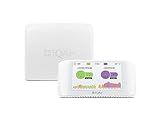
✅ IQAir AirVisual Pro
📝 See local and indoor air data at a glance.
This powerful monitor tracks PM2.5, CO2, and weather data. Additionally, it connects to global AQI maps and displays everything beautifully on a mobile app or screen.
- COMPLETE AIR QUALITY TRACKING: AirVisual Indoor covers...
- PRECISE AIR QUALITY READINGS: The AirVisual Pro air...
- EASY TO USE: These air quality monitors set up fast and...
✅ Temtop M10i WiFi Monitor
📝 Simple, smart, and budget-friendly.
It detects PM2.5, VOCs, and formaldehyde in real time. Furthermore, its WiFi lets you track air quality even when you’re away. Great for renters or first-time buyers.

- [Highly Accurate Particulate Monitor] The M10i home air...
- [4-in-1 Multifunctional Meter] This compact device...
- [10 Years of PM2.5 Sensor R&D] With a decade of...
🌬️ Best Smart Air Purifiers for 2025
Smart purifiers don’t just filter air — they detect pollution, adjust automatically, and protect your lungs from PM2.5 around the clock.
Once you know the air is dirty — clean it the smart way.
✅ LEVOIT Core 400S

📝 Sleep easy with clean air.
True HEPA plus carbon filter removes smoke, allergens, and odors. Also, the smart app gives you full control, scheduling, and AQI feedback in real time.

- WHY CHOOSE AHAM VERIFIDE AIR PURIFIERS: AHAM...
- HIGH-PERFORMANCE AIR PURIFICATION: A powerful 56W...
- AHAM VERIFIDE, PROVEN PERFORMANCE: AHAM VERIFIDE with a...
✅ Coway Airmega AP-1512HH
📝 Let it run smart and quiet.
Auto mode adjusts fan speed based on PM2.5. Additionally, Eco mode saves energy when the air is clean. A great fit for medium-sized rooms.

- Coway Mighty (AP-1512HH) is designed to accommodate...
- 4 Stage Filtration System (Pre-filter, Deodorization...
- Coway Mighty pollution sensor communicates indoor air...
✅ Blueair Blue Pure 211+ Auto
📝 Big coverage, modern design.
Perfect for large rooms. It removes PM2.5 and odors, while auto mode and washable pre-filters make it easy to maintain.

- BLUEAIR’S TOP-PERFORMING AIR PURIFIER LINE: Blue...
- LET’S CLEAR THE AIR QUIETER: Quiet Mark certified...
- LET’S CLEAR THE AIR FASTER: HEPASilent dual...
🔗 Learn why we recommend it in the Smart Home Devices Guide »
🌱 Natural Ways to Improve Indoor Air

While tech helps, don’t ignore these simple (but powerful) habits:
- 🌿 Add air-purifying plants like peace lily or snake plant
- 🌬️ Keep windows open — when AQI is safe
- ❌ Avoid candles, aerosols, and incense
- 🧼 Regularly clean fans, filters, and vents
A NASA study confirms that certain indoor plants — such as peace lily, snake plant, and spider plant — can effectively remove air pollutants like benzene, formaldehyde, and trichloroethylene.
Even small changes can lead to big health improvements.
📌 Save this guide on Pinterest to protect your air and your family.
🔗 Related Reads You’ll Love
🩺 Best Blood Pressure Monitors for Home Use in 2025 (Tested & Reviewed) »
💧Top 5 Water Purifiers in 2025: Safe, Smart, and Affordable
🧰Best Blood Pressure Monitors & Smart Medical Devices for Seniors in 2025
👨👨👧👦 Ultimate Mosquito Defense Guide 2025: Devices, Traps, and Sprays Compared
😤 Best Air Filter Replacement in 2025 (That Actually Fit & Work)
🎒 Back to School Wellness: 7 Smart Health Devices Every Family Should Own in 2025
🌡️ Best Digital Thermometers in 2025 (Fast, Accurate & Easy to Use)
🥦Steam Vegetables for Weight Control: My Real Routine That Works (2025 Guide)
💓 Best Pulse Oximeters in 2025 (Tested & Trusted Brands)
🎧 How I Relax My Mind: The Power of Listening -$0.99 for 3 Months (2025)
👃🏼Nose Cleansing for Beginners: My Honest Experience
📣 Final Thoughts: You Can’t Fix What You Can’t See
PM2.5 doesn’t knock. It enters silently, stays quietly, and harms deeply.
But you have the power to stop it.
✅ Smart monitors tell you when air turns dangerous
✅ Smart purifiers clean it before it damages your lungs
✅ You take control — not fear
🎯 Ready to Breathe Smarter?
Protect your home today with trusted, top-rated monitors and purifiers:
👉 See Today’s Best-Selling Air Quality Monitors on Amazon »

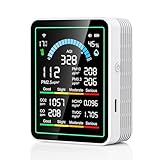

👉 Browse Top Smart Air Purifiers for 2025 »


FAQs Best Air Quality Monitors and Purifiers to Fight PM2.5 in 2025?
What is PM2.5 and why is it dangerous?
PM2.5 refers to fine particles less than 2.5 microns in diameter. They can enter deep into your lungs and bloodstream, causing serious health issues like asthma, heart disease, and lung cancer — even in non-smokers.
How do smart air quality monitors work?
Smart air quality monitors use sensors to detect indoor pollutants like PM2.5, CO2, humidity, and VOCs. They display real-time readings and often sync with mobile apps to alert you when air quality drops.
Do I really need a smart air purifier at home?
Yes — especially if you live in a city, have allergies, kids, or elderly at home. Smart air purifiers detect pollution levels and adjust automatically to clean the air, helping protect your health around the clock.
Can indoor plants really improve air quality?
Yes, to a degree. NASA studies show that plants like peace lilies and snake plants can remove toxins such as benzene and formaldehyde. However, they work best when combined with smart purifiers.
What’s the difference between a HEPA filter and a regular filter?
HEPA (High Efficiency Particulate Air) filters trap 99.97% of particles as small as 0.3 microns — including PM2.5. Regular filters often miss smaller particles, making HEPA essential for serious air purification.
Where should I place my air quality monitor or purifier?
Place monitors in rooms you use most — like bedrooms or home offices. For purifiers, keep them near pollution sources or central locations with good airflow, away from walls or corners.

I’ve collected the most beginner-friendly tools and guides to help you get started.
Click below to begin your journey toward smarter health.
Latest Posts
-

The 6 Essential Home Health Devices For Families In 2026 (Tested)
-

Best Blood Pressure Smartwatches 2026: Lab-Tested
-

The Best Blood Pressure Replacement Cuffs In 2026 (Tested)
-

What an AED Station Looks Like and Why It Matters
-

Is the Omron Blood Pressure Monitor Accurate? A Real Fluke Simulator Test
-

When to Trust a Home Blood Pressure Reading (And When Not To)
-
Why I Donated My First Affiliate Income
-

seca mBCA (Medical Body Composition Analysis): Clinical-Grade Body Composition for Hospital Workflows
-

Most Reliable Glucose Test Strips for Diabetes (2026 Review)
-

The Best Omron BP5465 vs BP5450 Comparison (2026 Tested)
-

🎁 Giftable Health Devices 2025: Smart Wellness Gifts That Actually Help People You Love
-

🎧 How I Relax My Mind: The Power of Listening -$0.99 for 3 Months (2025)
-

Best Pulse Oximeters in 2026 (Tested & Trusted Brands)
-

Nose Cleansing for Beginners: My Honest Experience (And Why It Feels So Good)
-

🥦 Steam Vegetables for Weight Control: My Real Routine That Works (2025 Guide)